
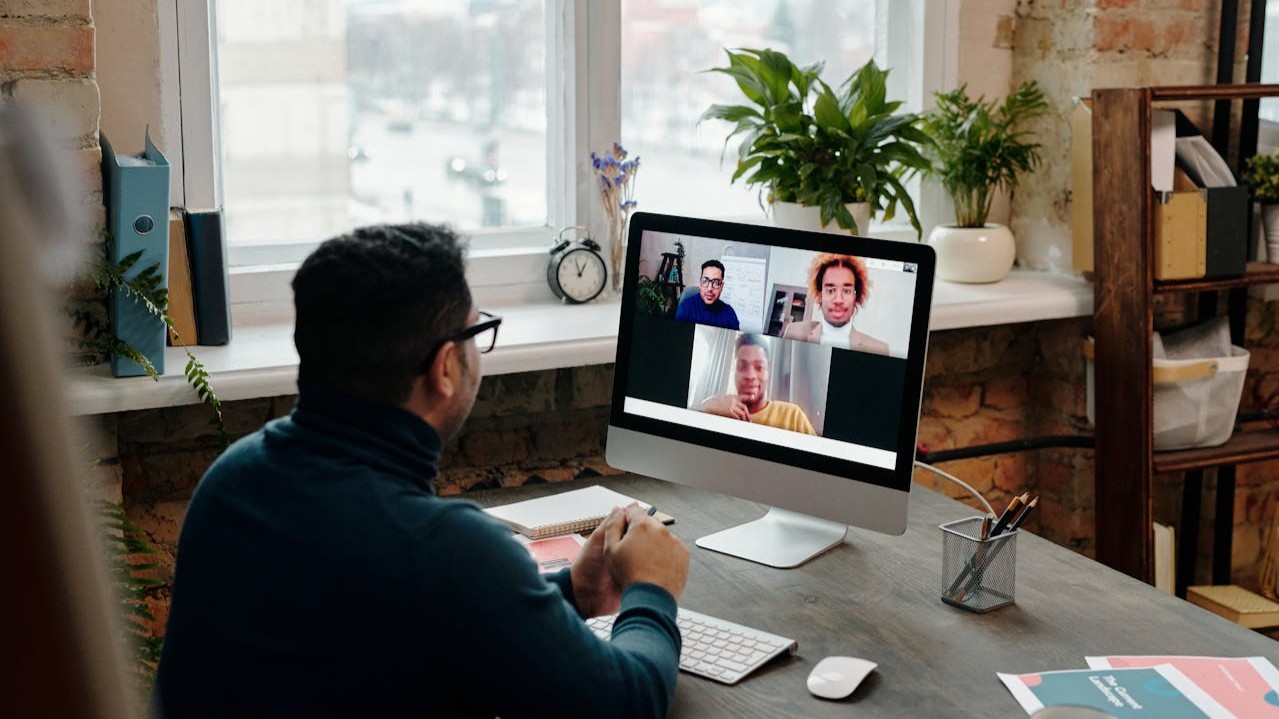
Businesses across the world are rapidly changing the way they sell products and services. Instead of relying only on office-based teams, companies now invest heavily in remote professionals who can connect with prospects from anywhere. One of the fastest-growing roles in modern sales is the rise of remote inbound sales closers. These professionals specialize in speaking with warm leads who are already interested in an offer and guiding them toward a confident buying decision. Unlike cold callers who spend hours searching for prospects, inbound closers work with people who already requested information, booked appointments, or responded to marketing campaigns. This creates a more efficient sales environment and allows businesses to increase conversion rates faster. Companies in the USA, UK, Canada, Australia, UAE, Singapore, and many other global markets now depend on virtual sales teams to scale operations without geographical limitations. As digital commerce continues to dominate industries, remote inbound sales closers are becoming essential assets for businesses that want sustainable revenue growth.
Why Businesses Are Hiring Remote Inbound Sales Closers
The modern customer journey looks very different from what it did years ago. Buyers now conduct research online, compare offers through social media, and schedule virtual consultations before making purchasing decisions. This shift has created strong demand for professionals who can handle online conversations with confidence and professionalism. Remote inbound sales closers fill this gap by communicating with interested prospects through Zoom calls, messaging platforms, emails, and virtual presentations. Their ability to build trust remotely allows businesses to maintain strong sales performance without requiring face-to-face meetings.
Companies also appreciate the flexibility that comes with hiring remote teams. Businesses can access talented closers from different parts of the world instead of being restricted to local hiring. This opens opportunities for twenty-four-hour lead management and broader market expansion. Many brands now operate internationally, serving customers in multiple time zones simultaneously. Remote sales professionals make this possible while keeping operational costs manageable. Organizations no longer need to invest heavily in physical office space to maintain productive sales departments.
Another major reason for this growing demand is the higher conversion potential of inbound leads. People who willingly schedule calls or request information are often much closer to making a purchase. These prospects require strategic communication rather than aggressive selling tactics. Skilled inbound closers understand how to nurture conversations naturally while addressing concerns effectively. This approach creates a better customer experience and improves long-term brand trust. Businesses recognize that a strong virtual sales process can significantly increase revenue while maintaining customer satisfaction.
What Remote Inbound Sales Closers Actually Do
Remote inbound sales closers focus on converting interested prospects into paying customers. Their daily responsibilities often begin with reviewing scheduled appointments and preparing for upcoming sales conversations. These leads may come from webinars, paid advertising campaigns, landing pages, referrals, or social media inquiries. Instead of spending time prospecting for uninterested buyers, closers dedicate their attention to understanding customer needs and presenting tailored solutions. This makes the sales process more focused and productive.
During virtual calls, remote closers ask detailed questions to identify pain points, goals, and purchasing motivations. They use active listening skills to understand what prospects truly want before recommending products or services. The best closers avoid sounding robotic or overly scripted. Instead, they build authentic conversations that create trust and confidence. Buyers are more likely to move forward when they feel understood rather than pressured.
A significant part of the role also involves follow-up communication. Some buyers need additional information, time to think, or reassurance before making decisions. Remote inbound sales closers maintain consistent communication without becoming overly aggressive. They use customer relationship management systems to track conversations, schedule follow-ups, and monitor lead progress. Their ability to manage the entire customer journey often determines whether a business gains or loses potential revenue.
Many remote closers also collaborate closely with marketing departments. They provide feedback about lead quality, customer objections, and recurring concerns. This information helps marketing teams improve campaigns and attract more qualified prospects. When sales and marketing departments work together effectively, businesses experience stronger conversion performance and better customer acquisition results.
Essential Skills Every Remote Inbound Sales Closer Needs
Success in remote sales requires much more than simply reading scripts during virtual meetings. One of the most important skills is communication. Since conversations happen online, closers must rely heavily on voice tone, clarity, confidence, and emotional connection. Buyers cannot always read body language through screens, so every word matters. Great remote sales professionals know how to create engaging conversations that feel personal and natural.
Another critical skill is objection handling. Even highly interested buyers may hesitate because of pricing, timing, uncertainty, or fear of making the wrong decision. Strong inbound closers address these concerns calmly while providing clarity and reassurance. They avoid arguing with prospects and instead guide conversations toward practical solutions. This creates trust while helping buyers feel more comfortable moving forward.
Emotional intelligence also plays a major role in successful sales conversations. Remote inbound sales closers must recognize emotional cues during calls and adjust their communication styles accordingly. Some prospects require detailed explanations, while others prefer direct answers and quick decision-making. The ability to adapt creates smoother interactions and stronger buyer relationships.
Time management is equally important because remote closers often juggle multiple appointments daily. Maintaining punctuality, organization, and consistent follow-up is essential for maximizing conversions. Successful professionals build systems that allow them to stay productive while avoiding burnout. Many also invest in ongoing training to sharpen their sales strategies and communication techniques.
Technical proficiency cannot be ignored either. Remote sales environments rely heavily on digital tools and automation platforms. Closers must understand how to use video conferencing software, CRM systems, scheduling platforms, and analytics dashboards efficiently. Businesses prefer professionals who can integrate smoothly into existing workflows without extensive training.
Industries That Benefit From Remote Inbound Sales Closers
Many industries now rely on remote inbound sales closers because digital communication has become normal for buyers. One of the largest sectors is high-ticket coaching and consulting. Business coaches, marketing mentors, financial consultants, and online educators often generate inbound leads through webinars and digital marketing campaigns. Remote closers help convert these interested prospects into enrolled clients.
Software as a service companies also benefit significantly from virtual sales professionals. SaaS businesses frequently use online demos and consultations to explain products. Remote inbound sales closers guide prospects through features, answer technical questions, and help businesses secure long-term subscriptions. This process is especially valuable for enterprise software sales where buyers require detailed information before committing.
Real estate companies increasingly use remote sales strategies as well. International buyers often prefer virtual consultations before traveling or investing in properties. Remote closers assist with qualification, appointment coordination, and online presentations. Their communication skills help maintain buyer confidence even across different countries and time zones.
Healthcare and wellness businesses have also embraced remote sales systems. Cosmetic clinics, wellness programs, fitness coaching services, and private healthcare providers frequently receive online inquiries from potential clients. Remote closers explain procedures, pricing structures, and service benefits while building trust with prospects. Their role helps businesses manage inquiries professionally and improve booking rates.
Financial service providers, insurance agencies, and investment firms are also investing heavily in virtual sales teams. Clients increasingly prefer online consultations due to convenience and accessibility. Remote inbound sales closers help explain financial products clearly while guiding prospects through important purchasing decisions.
Why Remote Inbound Sales Closers Outperform Traditional Sales Methods
Traditional sales methods often rely heavily on cold calling and in-person meetings. While these approaches still exist, many businesses now prefer inbound-focused systems because they produce more efficient results. Remote inbound sales closers work with warmer prospects who already showed interest in products or services. This allows sales conversations to focus more on solutions and less on convincing people to engage.
Virtual selling also offers better scalability. Businesses can schedule more appointments daily without the travel limitations associated with face-to-face meetings. Remote sales professionals can communicate with clients from different regions without requiring expensive transportation or office expansion. This creates opportunities for businesses to grow internationally while maintaining operational flexibility.
Another advantage is data tracking. Digital sales systems provide detailed analytics that help businesses improve performance continuously. Companies can track conversion rates, monitor appointment outcomes, analyze objections, and identify sales patterns. This information allows managers to optimize scripts, training programs, and marketing campaigns more effectively.
Remote inbound sales closing also improves customer convenience. Buyers appreciate being able to attend meetings from home or work without commuting. This convenience often increases appointment attendance rates and reduces friction during the sales process. Customers who enjoy smoother experiences are more likely to trust the business and move forward confidently.
Many organizations also find remote teams more cost-effective. Companies can reduce expenses related to office space, utilities, travel, and equipment. At the same time, they gain access to global talent pools with specialized expertise. This combination of lower overhead and higher scalability makes remote sales models highly attractive for growing businesses.
Strategies Top Remote Inbound Sales Closers Use
High-performing remote inbound sales closers rarely rely on generic scripts alone. They focus heavily on personalization because buyers expect conversations tailored to their specific needs. Before calls, many closers research prospects to understand industries, goals, and challenges. This preparation helps create more meaningful interactions and increases trust quickly.
Consultative selling is another strategy widely used by top performers. Instead of forcing products onto prospects, they guide conversations through thoughtful questions. This approach allows buyers to explain their frustrations, objectives, and desired outcomes naturally. Once the closer fully understands the situation, presenting the solution becomes far more effective.
Strong follow-up systems also separate elite closers from average performers. Many prospects need additional time before making decisions. Skilled professionals maintain communication professionally while avoiding excessive pressure. Their follow-up messages provide value, answer lingering questions, and reinforce confidence in the offer.
The following habits are common among successful remote inbound sales closers:
-
Reviewing sales calls regularly for improvement
-
Tracking conversion metrics consistently
-
Studying buyer psychology and communication techniques
-
Practicing objection handling scenarios
-
Maintaining organized CRM systems
-
Personalizing every sales conversation
-
Investing in advanced sales training
-
Following structured appointment preparation routines
Continuous learning remains a major factor in long-term sales success. The virtual sales environment changes constantly due to evolving technology and buyer behavior. Top closers adapt quickly by learning new communication methods, automation tools, and customer engagement strategies. Their commitment to improvement allows them to stay competitive in high-demand industries.
Challenges Remote Inbound Sales Closers Must Overcome
Despite the advantages of remote sales, the role comes with challenges that require discipline and adaptability. One of the biggest obstacles is maintaining strong human connection through digital communication. Virtual meetings can sometimes feel less personal than face-to-face interactions. Successful closers overcome this by improving listening skills, voice delivery, and conversational flow.
Managing inconsistent lead quality can also be difficult. Not every inbound lead is ready to buy immediately. Some prospects may simply be gathering information or comparing competitors. Remote inbound sales closers must remain patient while still maintaining productivity and performance standards. Strong qualification processes help minimize wasted time and improve efficiency.
Working across multiple time zones creates another layer of complexity. Businesses serving international markets often require flexible schedules to accommodate client availability. Closers must balance productivity while managing calls with prospects from different regions. This can become mentally demanding without proper organization and scheduling systems.
Burnout is another common issue in high-performance sales roles. Constant appointments, rejection, and performance pressure can impact motivation over time. Successful remote sales professionals prioritize healthy routines, structured breaks, and personal development to maintain energy levels. Businesses that support team wellness often experience better long-term retention and stronger sales consistency.
Technology issues can occasionally disrupt virtual sales environments as well. Internet problems, software glitches, or scheduling conflicts may affect conversations. Experienced closers remain calm during technical disruptions and adapt quickly to maintain professionalism. Their ability to handle unexpected situations helps preserve customer confidence.
The Future of Remote Inbound Sales Closers
The future of virtual selling looks extremely promising as more businesses embrace digital operations. Remote inbound sales closers are expected to play an even larger role in global commerce over the coming years. Companies continue investing in online marketing systems that generate inbound leads consistently. This naturally increases demand for professionals capable of converting those leads into paying customers.
Artificial intelligence is also transforming the sales landscape. Automation tools now assist with lead qualification, appointment scheduling, and customer data analysis. However, human closers remain highly valuable because emotional intelligence and relationship-building cannot easily be replaced by software. Buyers still prefer speaking with knowledgeable professionals before making major purchasing decisions.
Globalization is another driving factor behind remote sales growth. Businesses no longer limit themselves to local customers. Brands now market products and services internationally through digital platforms, creating enormous opportunities for remote sales teams. Skilled closers who understand cross-cultural communication and global business practices will become increasingly valuable.
As competition increases, companies will prioritize hiring experienced remote inbound sales closers with proven communication and conversion skills. Businesses that invest in strong virtual sales systems are likely to gain competitive advantages in customer acquisition and revenue growth. Remote selling is no longer viewed as a temporary trend. It has become a core strategy for modern business expansion.
FAQ About Remote Inbound Sales Closers
What are remote inbound sales closers?
Remote inbound sales closers are professionals who work virtually to convert interested leads into paying customers. They typically communicate through video calls, phone calls, emails, and messaging platforms.
How do remote inbound sales closers get leads?
Most leads come from marketing campaigns such as social media advertising, webinars, landing pages, referrals, and online inquiries. These leads are already interested in learning more about the offer.
What industries hire remote inbound sales closers?
Industries such as SaaS, coaching, consulting, healthcare, wellness, real estate, finance, and online education frequently hire virtual sales closers.
What skills are most important for inbound sales closing?
Communication, emotional intelligence, objection handling, organization, active listening, and technical proficiency are among the most important skills.
Can remote inbound sales closers work internationally?
Yes, many remote closers work with businesses and customers across global markets including the USA, UK, Canada, Australia, UAE, Singapore, and beyond.
Do remote sales closers need previous experience?
While experience is helpful, some businesses provide training programs for motivated candidates who demonstrate strong communication and learning ability.
What tools do remote inbound sales closers use?
Common tools include CRM software, Zoom, Google Meet, scheduling platforms, analytics dashboards, and communication applications.
Why are inbound leads easier to close than cold leads?
Inbound leads already expressed interest in a product or service, making conversations more focused on solutions rather than convincing someone to engage.
Takeaway
Remote inbound sales closers have become essential drivers of modern business growth. Their ability to convert warm leads through virtual communication allows companies to scale efficiently across global markets. Businesses benefit from higher conversion opportunities, lower operational costs, and greater flexibility when building remote sales teams. Skilled closers combine communication expertise, emotional intelligence, and strategic selling techniques to guide prospects toward confident buying decisions. As digital commerce continues expanding worldwide, the demand for talented remote sales professionals will only continue to rise. Companies that invest in strong inbound sales systems position themselves for long-term growth in increasingly competitive industries.