
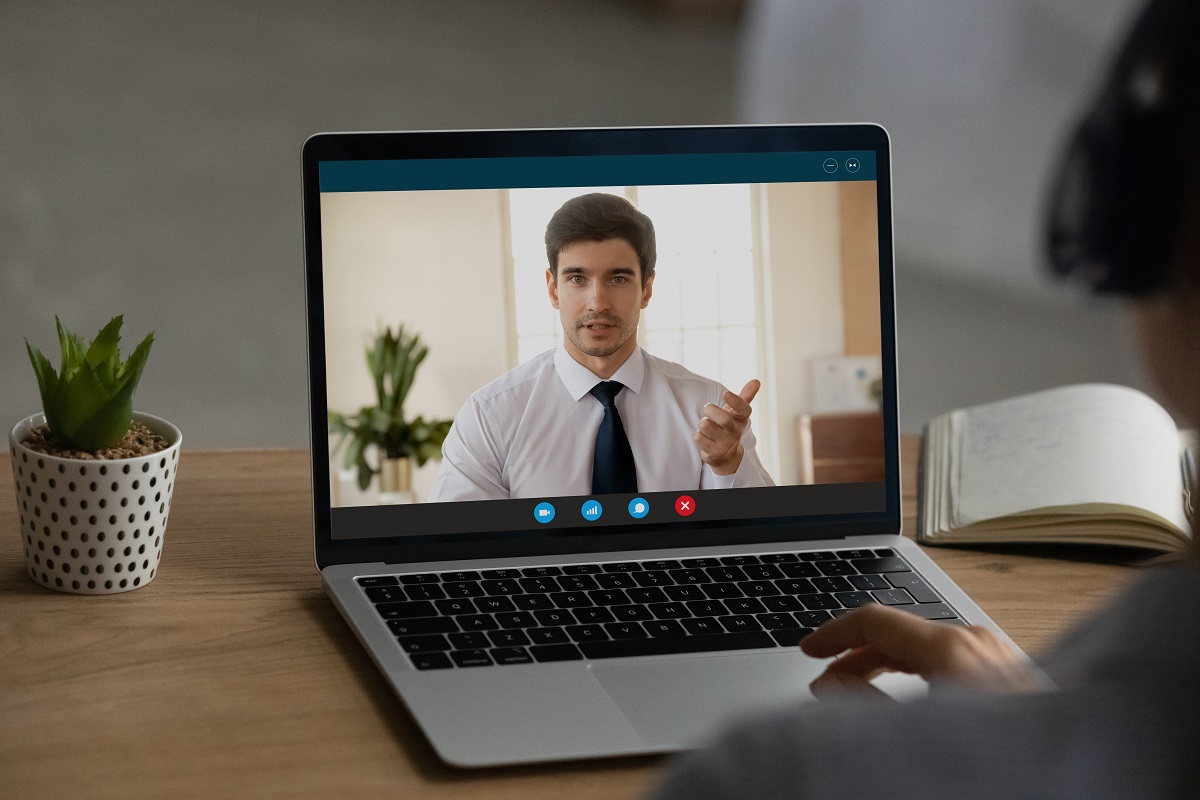
Remote High Ticket Closing Market Landscape
The demand for high ticket closer jobs remote has expanded rapidly as businesses continue shifting toward online-first sales models. Companies are now building distributed sales teams that operate entirely through digital communication tools instead of traditional office environments. This shift has created opportunities for professionals who can confidently close high-value deals from anywhere in the world. Remote high ticket closing is commonly used in industries that sell premium offers such as coaching programs, SaaS platforms, consulting packages, and business education services. These offers often require a human sales conversation because the price point and decision complexity are significantly higher than low-ticket products.
Organizations prefer remote closers because they reduce overhead costs while expanding global reach. Sales teams are no longer limited by geography, allowing companies to hire talent across multiple time zones. This creates a flexible ecosystem where performance matters more than location. In many cases, remote closers are integrated into structured sales funnels that include marketing, lead generation, and appointment setting. The closer becomes the final step in a highly optimized conversion process.
As competition increases, businesses are also improving their onboarding systems for remote sales professionals. This has resulted in more structured career paths for individuals entering high ticket closer jobs remote. The market continues to evolve as companies invest more in digital sales infrastructure and remote collaboration systems.
Core Responsibilities of a Remote High Ticket Closer
A remote high ticket closer plays a critical role in converting qualified prospects into paying clients. Their primary responsibility is to conduct sales conversations that are typically scheduled through a calendar system. These conversations often happen via Zoom, Google Meet, or phone calls, depending on the business structure. The closer must understand the offer deeply in order to present it clearly and persuasively. Unlike basic sales roles, this position requires a consultative approach rather than transactional selling.
Daily activities often revolve around reviewing leads, preparing for calls, and analyzing previous conversations for improvement. Communication with appointment setters and marketing teams is also essential for understanding lead quality. Follow-ups are another important part of the workflow, especially for prospects who need additional time to decide. Remote closers also manage CRM systems to track performance and pipeline status. These tools help maintain organization and visibility across multiple deals.
Key responsibilities often include:
-
Conducting discovery and closing calls with qualified leads
-
Understanding customer pain points and aligning solutions
-
Handling objections with clarity and confidence
-
Updating CRM systems with call notes and outcomes
-
Following up with undecided prospects
-
Collaborating with setters and marketing teams
-
Meeting or exceeding monthly revenue targets
Success in high ticket closer jobs remote depends heavily on consistency, communication quality, and the ability to guide prospects toward confident purchasing decisions.
Skills Required to Succeed in High Ticket Closer Jobs Remote
Success in this career path requires a strong blend of communication, psychology, and discipline. Remote high ticket closers must be able to build trust quickly, often within the first few minutes of a call. Emotional intelligence is critical because clients purchasing high-value offers usually need reassurance and clarity. Active listening allows closers to identify pain points and tailor their pitch accordingly.
Strong persuasion skills are important, but ethical influence is even more valuable. Instead of pushing products, successful closers guide conversations naturally toward decision-making. Self-management is another essential skill since remote roles require independence without direct supervision. Time management ensures that calls, follow-ups, and preparation are handled efficiently.
A strong understanding of digital tools is also required. Most high ticket closer jobs remote rely on platforms such as CRMs, video conferencing software, and scheduling systems. Adaptability helps closers adjust to different industries and offers quickly.
Common skill set includes:
-
Active listening and emotional intelligence
-
Consultative selling techniques
-
Objection handling strategies
-
Remote communication proficiency
-
CRM and pipeline management
-
Self-discipline and time organization
-
Confidence in high-stakes conversations
These skills collectively create the foundation for long-term success in remote closing roles.
Income Potential in Remote High Ticket Closing
Earning potential in high ticket closer jobs remote is one of the main reasons professionals enter this field. Most roles operate on a commission-based structure, meaning income is directly tied to performance. High ticket offers often range from several hundred to tens of thousands of dollars per sale, which allows closers to earn substantial commissions. Experienced professionals can generate significant monthly income depending on closing rates and lead quality.
Income varies based on several factors such as industry niche, product price point, and company structure. Beginners may start with modest earnings while they develop their skills and confidence. However, as experience increases, income potential can grow rapidly due to improved conversion rates. Some companies also offer base pay combined with commissions, though pure commission structures are more common.
Performance plays a major role in long-term earning potential. Closers who consistently improve their skills and follow structured systems tend to outperform those who rely on natural talent alone. The scalability of this career path allows individuals to increase income without changing jobs, simply by improving results.
How Remote High Ticket Closers Get Leads
Lead flow is a critical component of success in high ticket closer jobs remote. Most closers do not generate their own leads; instead, they work with appointment setters or marketing teams. These teams are responsible for attracting and qualifying prospects before scheduling sales calls. This allows closers to focus entirely on conversion rather than prospecting.
Leads typically come from paid advertising funnels, organic content marketing, webinars, or inbound inquiries. Warm leads are usually more effective because they already have some level of interest in the offer. Cold leads require more effort and skill to convert. Proper qualification ensures that only serious prospects are passed on to the closing team.
Lead quality directly impacts performance. High-quality leads increase conversion rates and reduce call fatigue. This is why collaboration between marketing and sales teams is essential in remote closing environments.
Training Pathways for High Ticket Closer Jobs Remote
Training for high ticket closer jobs remote can take multiple forms depending on the company or individual approach. Many professionals enter the field through structured sales training programs that teach objection handling, communication frameworks, and closing strategies. Others learn through mentorship or coaching programs where experienced closers guide them through real-world scenarios.
Practice is a major component of development. Role-playing exercises help simulate real sales conversations and build confidence. Call reviews are also used to identify strengths and areas for improvement. Continuous learning is necessary because sales techniques evolve over time.
Training pathways often include:
-
Online sales education programs
-
Mentorship from experienced closers
-
Role-play and simulation exercises
-
Live call breakdown sessions
-
Objection handling practice frameworks
-
Ongoing performance feedback loops
The learning curve can be steep, but structured training accelerates success significantly.
Tools and Technology Used in Remote Closing Roles
Technology plays a central role in high ticket closer jobs remote. Without modern tools, remote sales operations would be inefficient and disorganized. Most closers rely on CRM platforms to track leads, manage pipelines, and record communication history. Video conferencing tools are essential for conducting live sales calls with prospects.
Scheduling software helps automate appointment booking, reducing manual coordination. Communication platforms allow seamless interaction between sales teams, setters, and managers. Call recording tools are often used to analyze performance and improve techniques. Automation systems also help streamline follow-ups and reminders.
These tools create a structured environment where remote teams can operate efficiently across multiple time zones. Mastery of this technology stack is essential for long-term success.
How to Get Hired for High Ticket Closer Jobs Remote
Getting hired in high ticket closer jobs remote requires more than just interest in sales. Companies look for individuals who demonstrate strong communication ability and confidence during interviews. Even without experience, candidates can stand out by showcasing role-play skills or mock sales calls. A well-structured resume highlighting transferable skills such as communication, negotiation, or customer service is also important.
Many hiring processes include multiple interview stages, including simulated sales calls. Employers want to see how candidates handle objections and guide conversations. Personal branding on platforms like LinkedIn can also increase visibility to recruiters. Freelance platforms may offer entry-level opportunities for beginners.
To improve hiring chances:
-
Practice mock sales calls regularly
-
Build a strong online professional profile
-
Study common objection handling techniques
-
Demonstrate confidence in communication
-
Apply to multiple remote sales roles consistently
Persistence is key in entering this competitive field.
Career Growth Opportunities in Remote High Ticket Closing
Career progression in high ticket closer jobs remote can be highly dynamic. Many professionals begin as junior closers and gradually move into senior roles with higher commission structures. With experience, some transition into sales leadership positions where they manage teams of closers. Others move into consulting roles where they help companies improve their sales systems.
There is also opportunity to build independent closing agencies or freelance businesses. Some professionals eventually become sales trainers or mentors themselves. The skills gained in high ticket closing are highly transferable across industries. This allows for long-term career flexibility and growth.
Challenges in Remote High Ticket Closing Careers
While high ticket closer jobs remote offer strong income potential, they also come with challenges. Income inconsistency can be difficult during early stages. Rejection is a normal part of the role and requires emotional resilience. Working remotely can also create isolation without team interaction.
Managing multiple time zones can be demanding depending on client locations. Maintaining motivation without direct supervision requires strong self-discipline. Market shifts can also affect lead flow and conversion rates. Adapting to these challenges is part of long-term success in the field.
Best Niches for Remote High Ticket Closers
Certain industries are more suited for high ticket closer jobs remote due to their pricing models and sales complexity. Coaching and mentorship programs are among the most common. SaaS companies also rely heavily on remote closers for subscription conversions. Consulting services often require human-driven sales conversations.
Other strong niches include digital marketing agencies, real estate education programs, and health transformation services. Each niche has different buyer psychology and requires adaptation from the closer. Choosing the right niche can significantly impact earning potential and career satisfaction.
Daily Routine of a Successful Remote High Ticket Closer
A structured routine is essential for performance in high ticket closer jobs remote. Many closers begin their day by reviewing their pipeline and preparing for scheduled calls. Mental preparation is important because sales calls require focus and energy. During the day, most time is spent conducting calls and following up with prospects.
Breaks are often used to review performance or analyze previous conversations. Evenings may include CRM updates and preparation for the next day. Continuous learning is often integrated into daily habits. Discipline and consistency are key factors in long-term success.
Performance Metrics That Matter in Remote Closing
Tracking performance is essential in high ticket closer jobs remote. Closing rate is one of the most important metrics, showing how many calls result in sales. Revenue per call helps measure efficiency and effectiveness. Lead-to-call conversion rates also provide insight into funnel quality.
Other important metrics include response time, pipeline health, and follow-up consistency. These data points help identify strengths and weaknesses in performance. High-performing closers consistently analyze their metrics to improve results over time.
Ethical Selling in High Ticket Closer Jobs Remote
Ethical practices are crucial in high ticket closer jobs remote. Building trust with prospects ensures long-term reputation and sustainable success. Instead of using pressure tactics, successful closers focus on alignment between the offer and the client’s needs. Transparency about pricing and expectations is essential.
Long-term client satisfaction often leads to referrals and repeat business. Ethical selling also improves confidence and reduces burnout. Maintaining integrity in sales conversations strengthens both personal and professional growth.
Future Trends in High Ticket Closer Jobs Remote
The future of high ticket closer jobs remote is closely tied to automation and artificial intelligence. AI tools are increasingly used to qualify leads and streamline sales processes. However, human closers remain essential for high-value decisions. Emotional intelligence and trust-building cannot be fully automated.
Remote sales teams are expected to continue expanding globally. Hybrid systems combining automation and human closers will become more common. Niche specialization is also increasing, with closers focusing on specific industries. The demand for skilled remote sales professionals is expected to remain strong.
FAQ
What are high ticket closer jobs remote?
These are remote sales roles focused on closing high-value deals through phone or video calls.
Do I need experience to start?
Experience helps, but many companies provide training for beginners entering the field.
How much can remote high ticket closers earn?
Income varies widely depending on performance, industry, and commission structure.
Are these jobs fully remote?
Yes, most roles operate completely online using digital communication tools.
What industries hire remote closers?
Coaching, SaaS, consulting, marketing, and education industries are the most common.
Takeaway
A career in high ticket closer jobs remote offers a flexible and performance-driven path for individuals seeking high-income opportunities in the digital economy. Success depends on communication skills, discipline, and the ability to build trust in remote environments. With the right training and consistent effort, this role can evolve into a long-term and scalable career in modern sales.